
no.1 - Lamancha, the home where it began
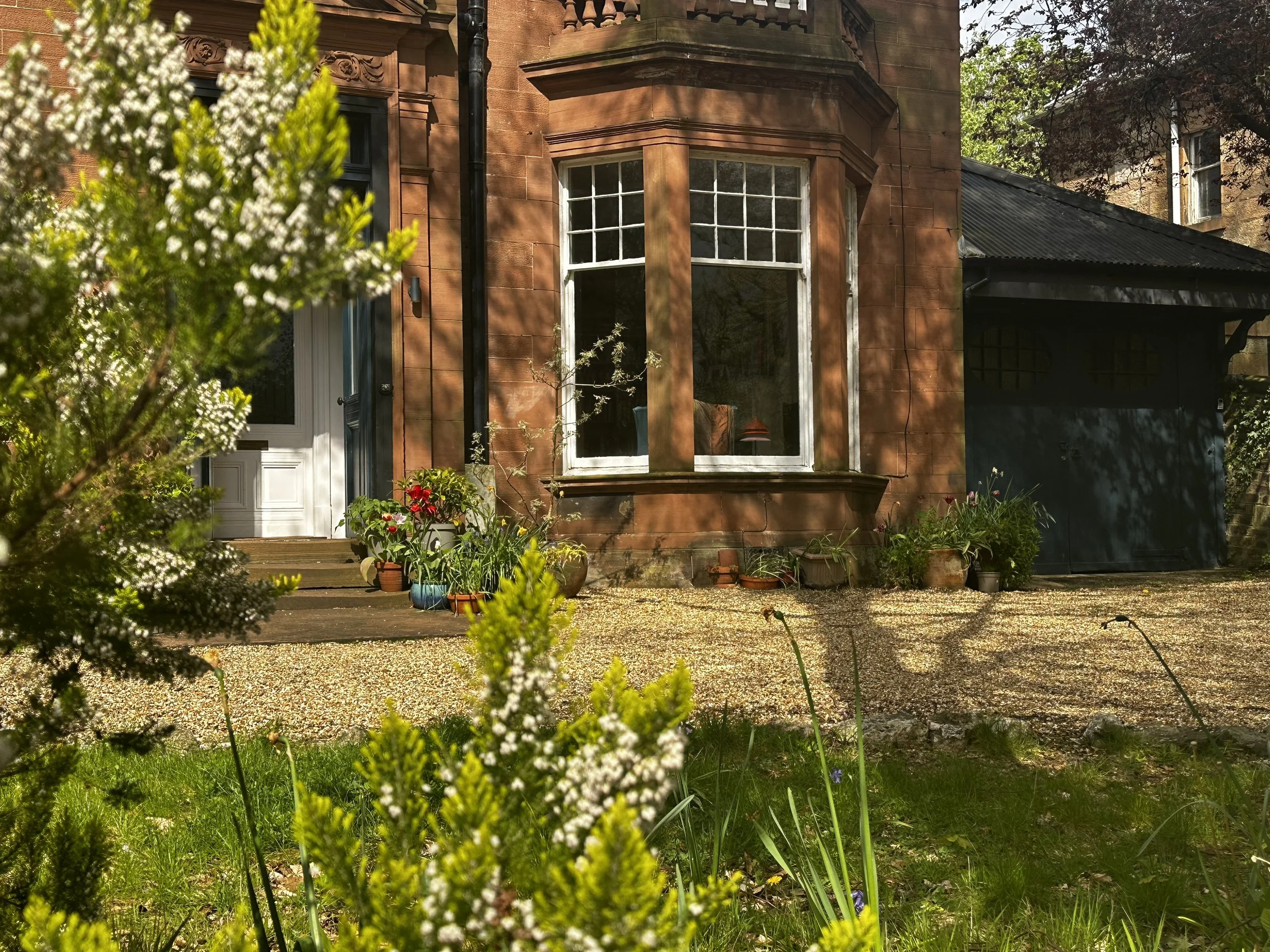
Location: City of Glasgow, Southside
Context: Situated in a street of mixed
housing; tenements, semi-
detached & detached houses, 4
miles from city centre
Building: Built in 1890, Category B
Listed
Soil: Acidic
Light: Full Sun, part shade, shade
Aspect: South-East (front) / South-West
(side-rear garden)
Exposure: Sheltered
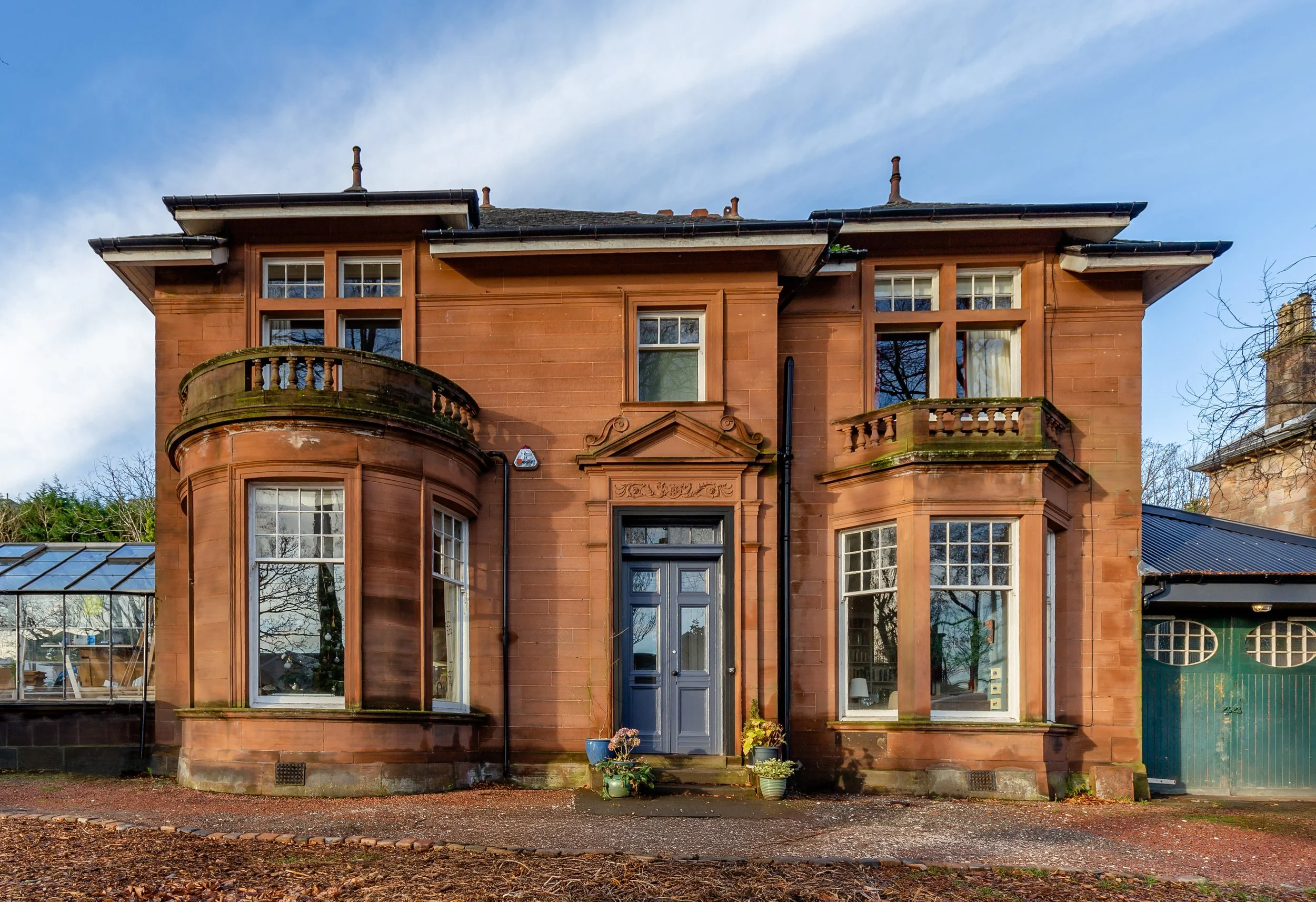
Photo by Michal Klajband, 2018
Our first encounter with the garden at Lamancha (its name on the traditional gatepiers) came in the depths of winter, 2012. It was Christmas, and the sun barely lifted itself above the rooftops before slipping away again. The light was thin and fleeting, even in those early days, it became clear how much the garden was shaped by light — or the absence of it. The garden felt held in a kind of quiet suspension.
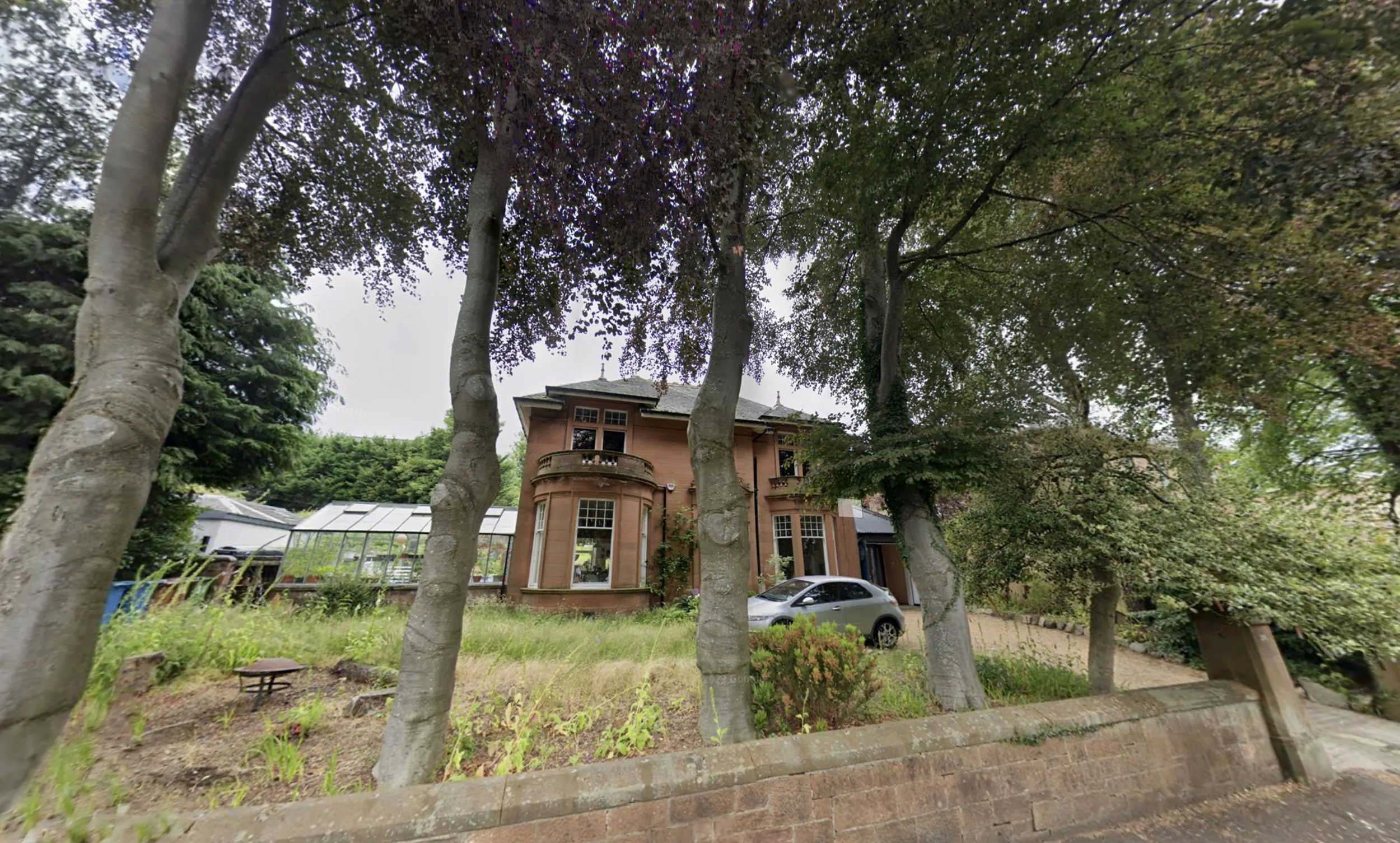
Winter has a way of being honest. With growth paused and much colour stripped away, a garden reveals its underlying form. At Lamancha, that structure in the front garden was defined almost entirely by trees, a long strip of mossed grass lay beneath them, edged by a band of red gravel that traced the house. Six towering copper beech trees stretched across the frontage, their scale and density casting deep shade, while a silver birch stood slightly apart, lighter in both colour and presence.
A Holly marked the entrance (a folkloric choice that offers protection and peace to the home), dense and dark against the pale winter sky. Nearby, a cherry plum leaned into the shelter of the modest 1920s garage, together, these trees gave the garden a strong sense of maturity and enclosure, but also a feeling of heaviness — as though the space had been growing inward rather than outward for many years. Beyond these, there was little to catch the eye — little to no layering of planting, no winter interest at ground level, just a sense of dormancy that lingered longer than it should.
In those early days, we had no grand design in mind. Instead, we began by observing: how the light filtered through the dense canopy, where damp lingered, how the garden shifted with the seasons. The process of living with the garden — rather than rushing to change it — became central to our relationship with the place.
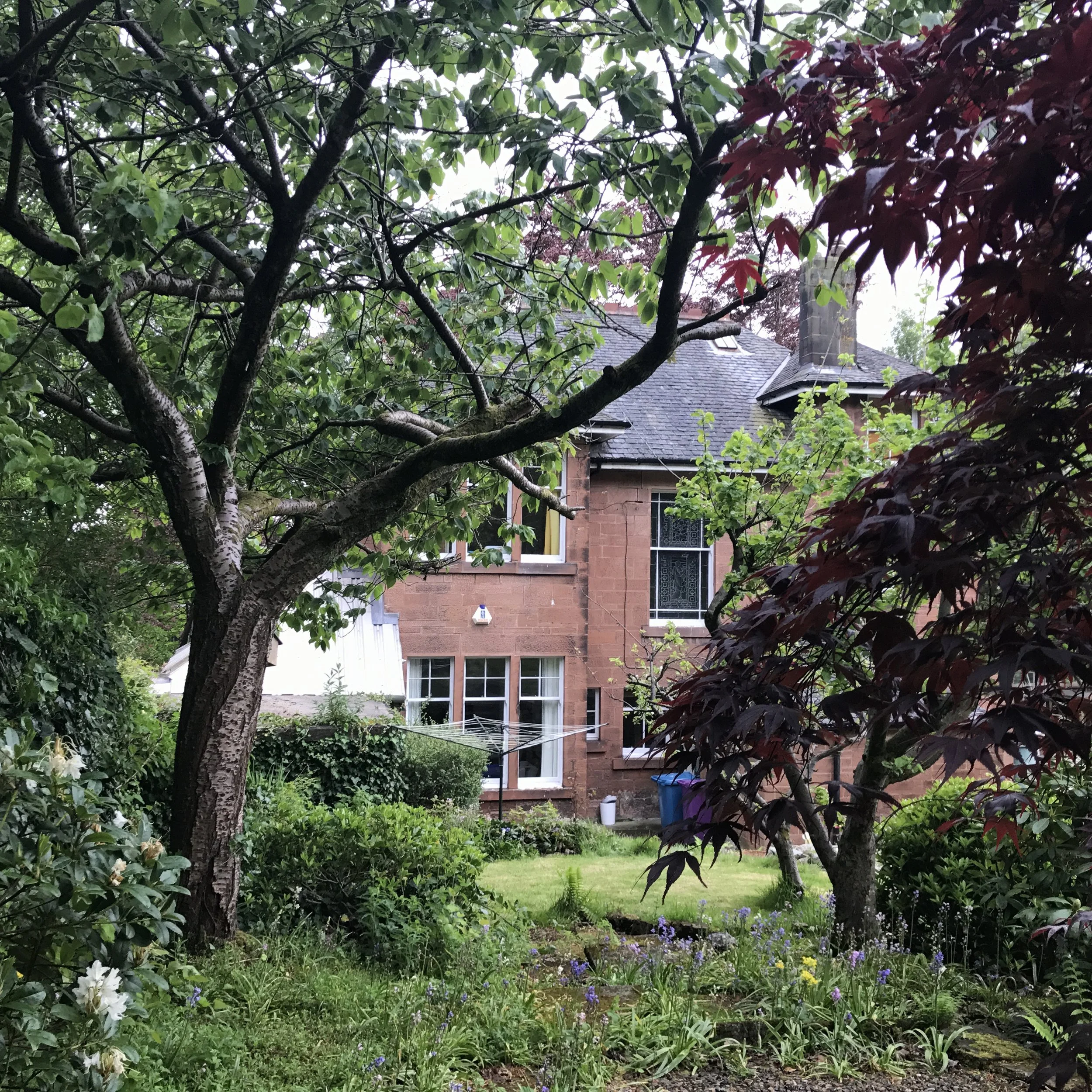
Over time, the garden stopped feeling like an inherited burden and started to become part of our everyday life: a place for children to explore, for ideas to take root, and for a sense of belonging to deepen.
This gradual, attentive approach is what began the transformation of Lamancha into our hameldaeme. Not something instant or perfected, but something cultivated — shaped by patience, learning, and a growing understanding of the land.
The garden was waiting. And so were we.